
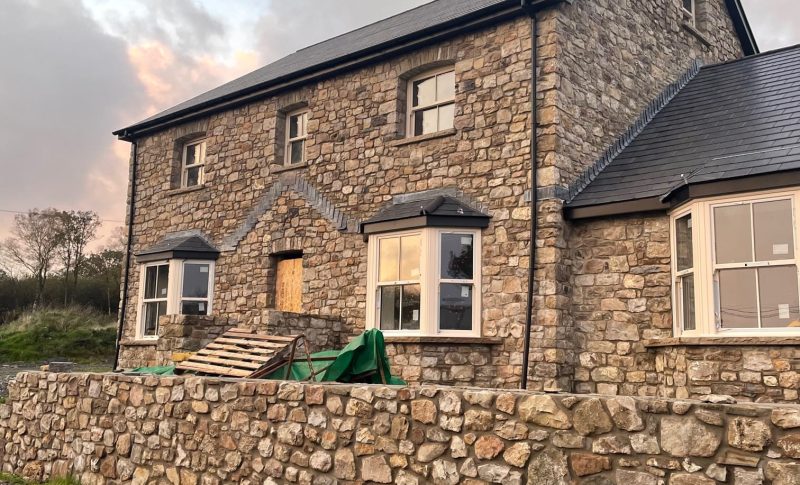
Most homes in Wales can run well on a heat pump – including older stone-built and solid-walled houses. The real question is not whether your home is suitable, but what, if anything, needs doing first. Here is the checklist we work through at every survey.
1. How well does your home hold its heat?
A heat pump delivers gentle, steady warmth, so a home that loses heat quickly needs a bigger system and costs more to run. Loft insulation and cavity wall insulation, where you have cavity walls, make the biggest difference for the least money.
This also affects your grant. To claim the Boiler Upgrade Scheme, your EPC must not show any outstanding recommendations for loft or cavity wall insulation. If it does, that work needs doing first – and you may be able to get it funded. Our grants and funding guide covers what is available in Wales.
Solid walls are not a barrier. They just mean the system is sized for a house that loses more heat, which is exactly what a heat loss calculation is for.
2. Are your radiators big enough?
A gas boiler typically heats radiators to around 70°C. A heat pump is most efficient at much lower temperatures, so some rooms may need a larger radiator to stay just as warm. It rarely means replacing every one – the heat loss calculation shows exactly which rooms fall short. Underfloor heating suits heat pumps particularly well if you are renovating anyway.

3. Is there space outside?
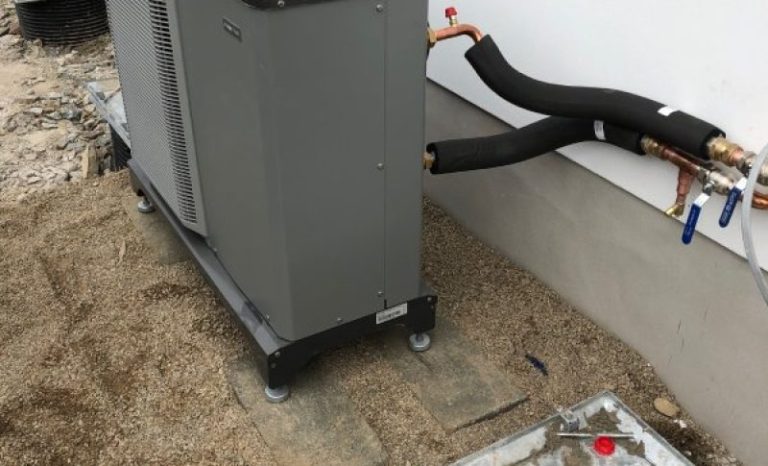
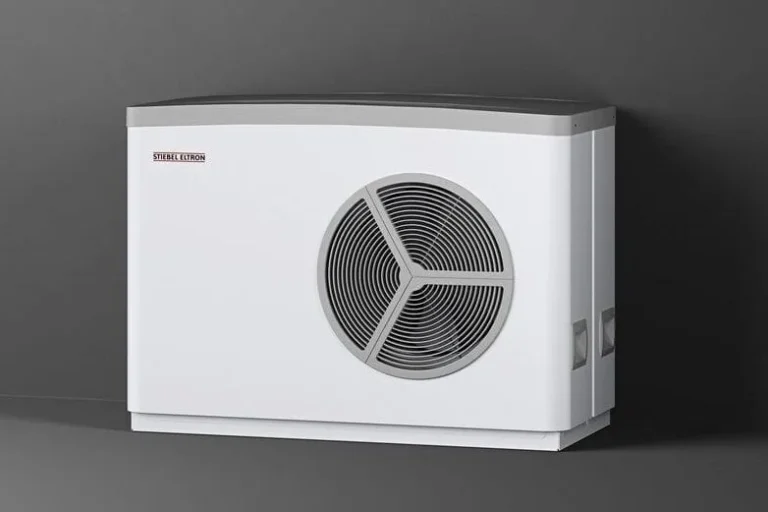
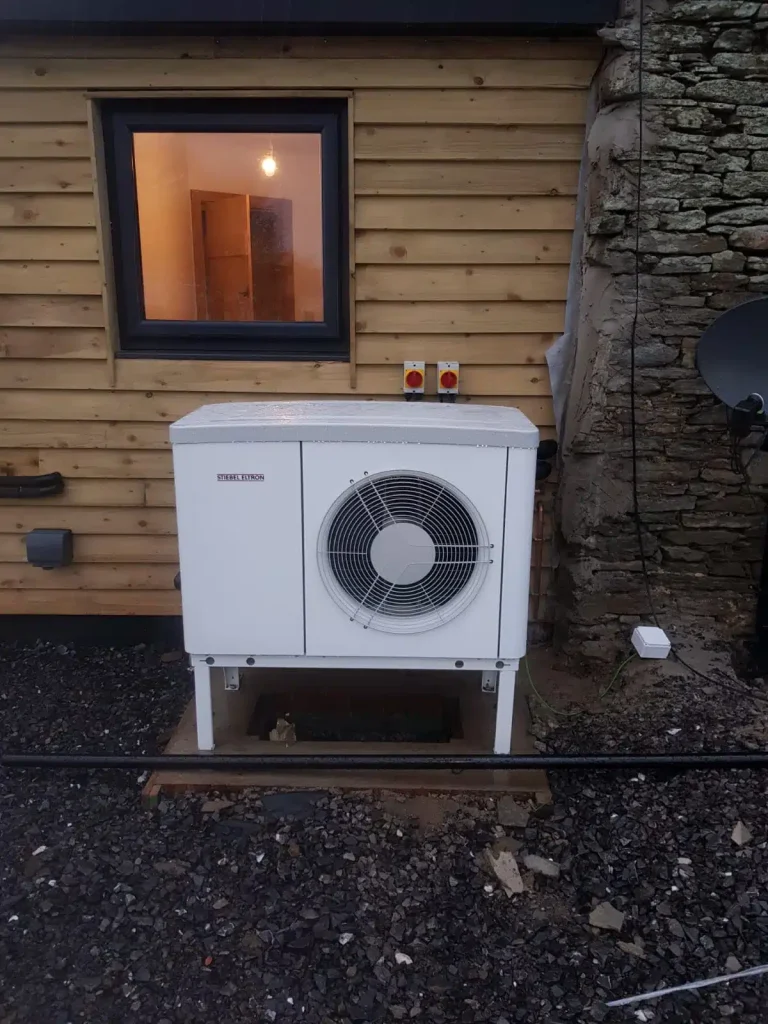
The outdoor unit needs a spot with good airflow, usually on the ground against a wall or on a bracket. In Wales, permitted development rules were widened on 1 June 2026: a detached house can have up to two air source heat pumps and other homes one, provided the outdoor unit is no larger than 1.5 cubic metres. As part of the design we also check expected noise at neighbouring windows.
Listed buildings, conservation areas and National Park land have extra restrictions – in a conservation area, for example, a unit cannot go on a wall or roof facing a highway. We check this before quoting and handle any application.
4. Is there room for a hot water cylinder?
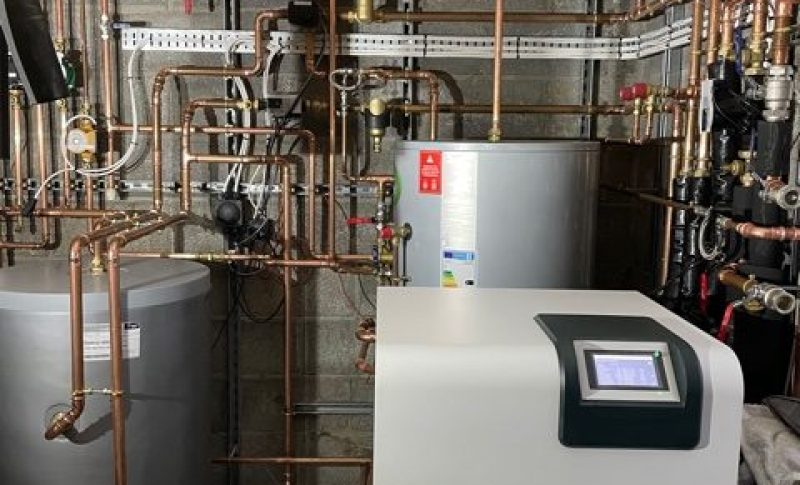
Unlike a combi boiler, a heat pump heats water into a cylinder. If you already have an airing cupboard with a cylinder, it usually goes in the same place. If you have a combi, we need to find space for one – often in an airing cupboard, a utility room or the loft space, depending on the house.
5. Is your electrical supply ready?
We notify your electricity network operator about the installation, which is a standard part of the job. Occasionally the incoming supply needs upgrading before a heat pump can be connected. We check this at survey so it does not become a surprise later.
6. What do you heat with now?
- Oil or LPG, no mains gas: you are likely to qualify for £9,000 towards a heat pump until 31 March 2027. See replacing an oil or LPG boiler.
- Mains gas: the standard £7,500 Boiler Upgrade Scheme grant applies.
- Electric storage heaters or an electric boiler: the standard £7,500 applies, and switching from direct electric heating usually gives the biggest running-cost reduction of all.
7. Do you own the property?
The Boiler Upgrade Scheme is for owners of homes and small business properties, and you need a valid EPC unless the property is a self-build. Private renters may qualify for other support, such as the Welsh Government’s Warm Homes Nest scheme, with their landlord’s agreement.
When a heat pump is not the right answer – yet
We will tell you if a heat pump is not a good fit right now. The most common reason is a home that loses heat so quickly that it needs insulation and draught-proofing before any low-temperature heating will be comfortable or affordable. In that case, sorting the fabric first and installing the heat pump afterwards is the better order – and often cheaper overall.
What happens at the survey
We measure the house, calculate heat loss room by room, check your radiators, the outdoor position, the cylinder location and your electrical supply, and look at your EPC. You get a quote with any grant already deducted and an honest view of running costs. Book a free survey and we will work through this checklist with you.