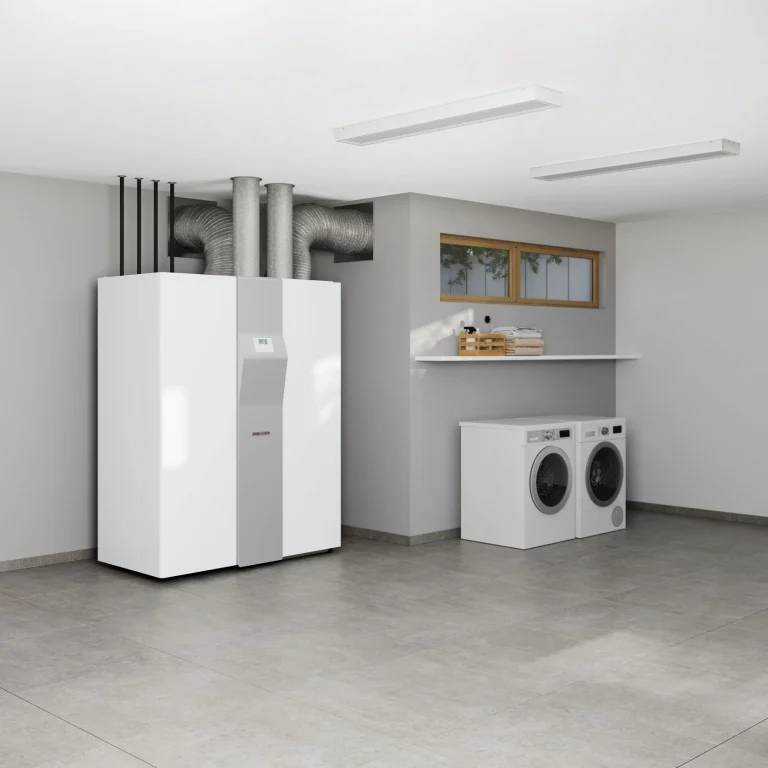
MVHR Installation in Swansea

Mechanical Ventilation with Heat Recovery (MVHR) systems deliver clean, filtered air while retaining heat that would otherwise be lost. At Renewable Heating Wales, we design and install MVHR systems for homes and buildings across Swansea, helping improve indoor air quality, reduce heat loss, and support modern, energy-efficient construction.
Our MVHR solutions in Swansea are ideally suited to new build homes, self-build projects, and highly insulated properties where airtightness and ventilation must work together effectively.

What is MVHR?

MVHR stands for Mechanical Ventilation with Heat Recovery. It is a whole-building ventilation system that continuously extracts stale, moisture-laden air from inside a property and replaces it with fresh, filtered air from outside.

In modern and newly built homes across Swansea, traditional ventilation methods such as opening windows or relying on trickle vents can lead to heat loss and inconsistent airflow. MVHR provides controlled, continuous ventilation while recovering heat from the extracted air, maintaining comfortable indoor temperatures and improving air quality.

MVHR systems are increasingly specified in energy-efficient homes and developments throughout Swansea to meet ventilation and airtightness requirements.
How MVHR Works?

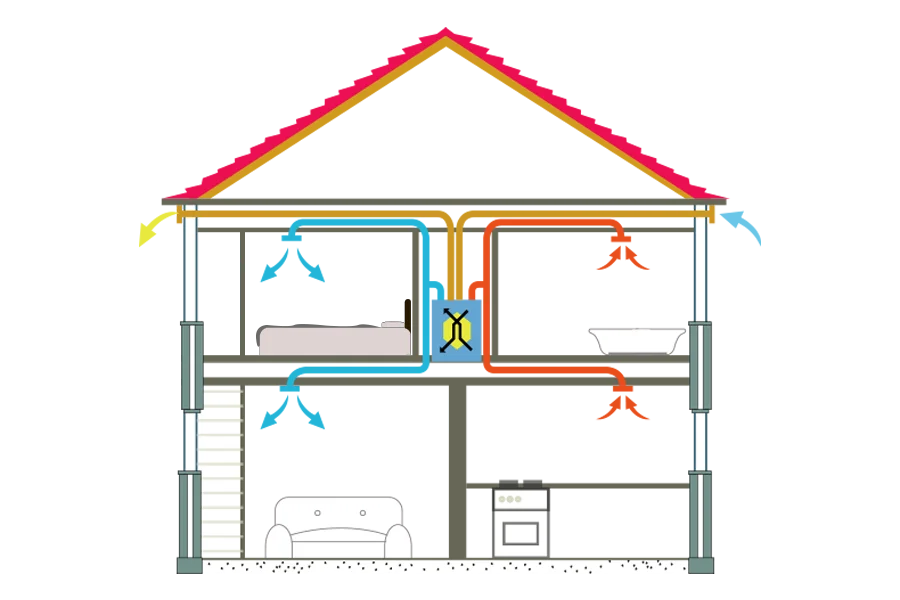
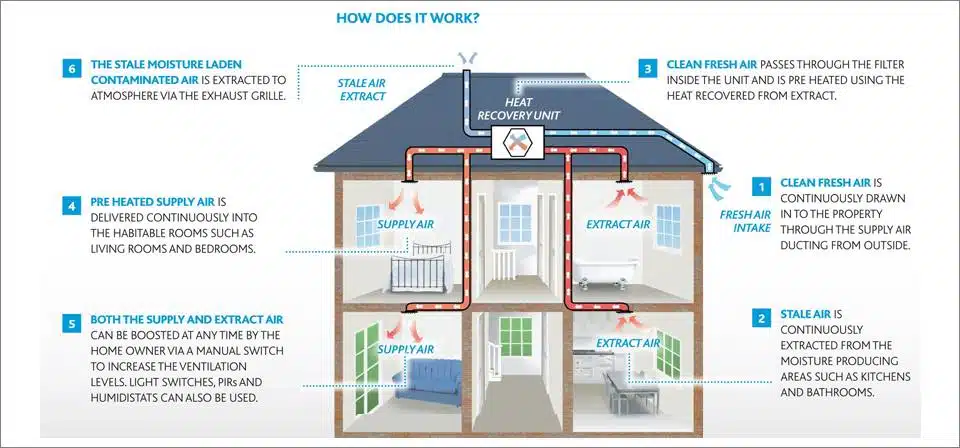
An MVHR system operates using a balanced supply and extract process.


Stale air is removed from wet rooms such as kitchens, bathrooms, and utility spaces, while fresh air is supplied to living rooms and bedrooms. Inside the MVHR unit, a heat exchanger transfers warmth from the outgoing air to the incoming fresh air without mixing the air streams.


This process allows properties in Swansea to remain well ventilated while retaining most of the heat that would otherwise be lost. MVHR systems typically comply with Building Regulations Part F, System 4.

The Benefits of MVHR Systems

  • Improved Indoor Air Quality
    MVHR systems continuously remove stale air and replace it with filtered fresh air, reducing pollutants, allergens, and odours.
  • Effective Humidity Control
    By extracting moisture at source, MVHR helps prevent condensation, damp patches, and mould growth.
  • Energy Efficiency
    Modern MVHR systems can recover up to around 90% of heat from extracted air, reducing overall heating demand.
  • Consistent Comfort
    Balanced airflow helps maintain even temperatures across rooms, reducing cold spots and draughts.
  • Low Running Costs
    MVHR systems are designed to run continuously at low power, with simple filter changes required every 6 to 12 months.

When Is MVHR Recommended?

MVHR systems are particularly well suited to:
New build homes built to modern airtightness standards
Self-build projects aiming for high energy efficiency
Highly insulated retrofit properties
Apartment blocks and multi-residential buildings
Commercial and public sector buildings

MVHR systems are efficient because they extract the heat from rooms in your home that naturally generate more heat. 

For example, at home:

  • The bathroom often generates heat when you run a hot bath or a hot shower
  • The kitchen generates additional heat every time you use the oven or the hob

This heat can then be distributed throughout your home using an MVHR system.Because they provide constant ventilation in damp areas throughout a building, they prevent moisture in the air from settling on surfaces and causing damage.

In properties where airtightness is low, alternative ventilation solutions may be more appropriate. Our team assesses each Swansea-based project individually to ensure MVHR is the right solution.

Latest from our MVHR Blog

Our team delve into the latest advice and guidance on Mechanical Ventilation with Heat Recovery.

The Benefits of MVHR

MVHR Applications in Swansea

Our MVHR systems are installed across a wide range of settings in Swansea, including:

New build homes
Self-build properties
Residential developments and apartment blocks
Schools, colleges, and universities
Healthcare facilities and care homes
Offices, retail units, and commercial buildings
Leisure facilities such as gyms and spas
Public buildings and local authority projects


Don’t let your air quality degrade. MVHR is your solution to a healthier, more comfortable indoor environment.
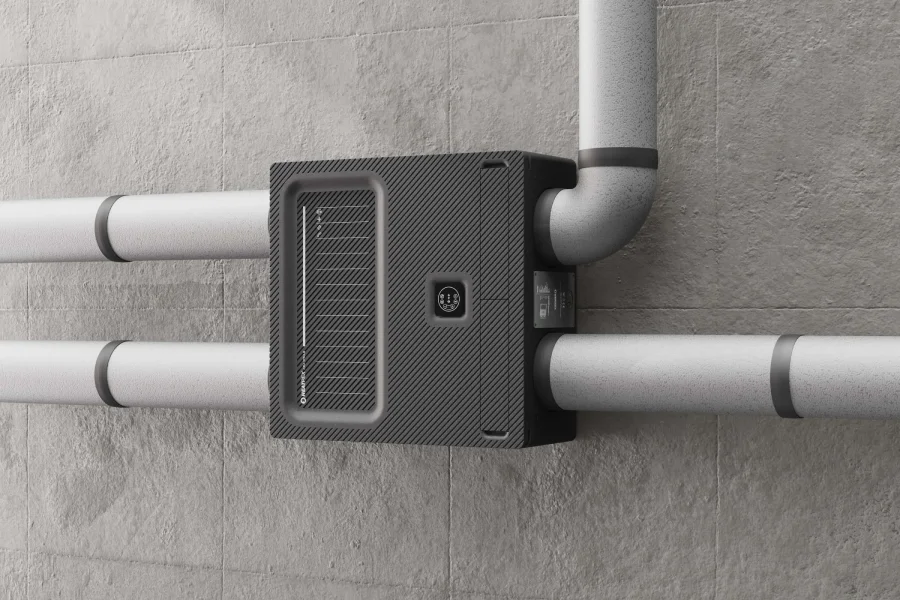
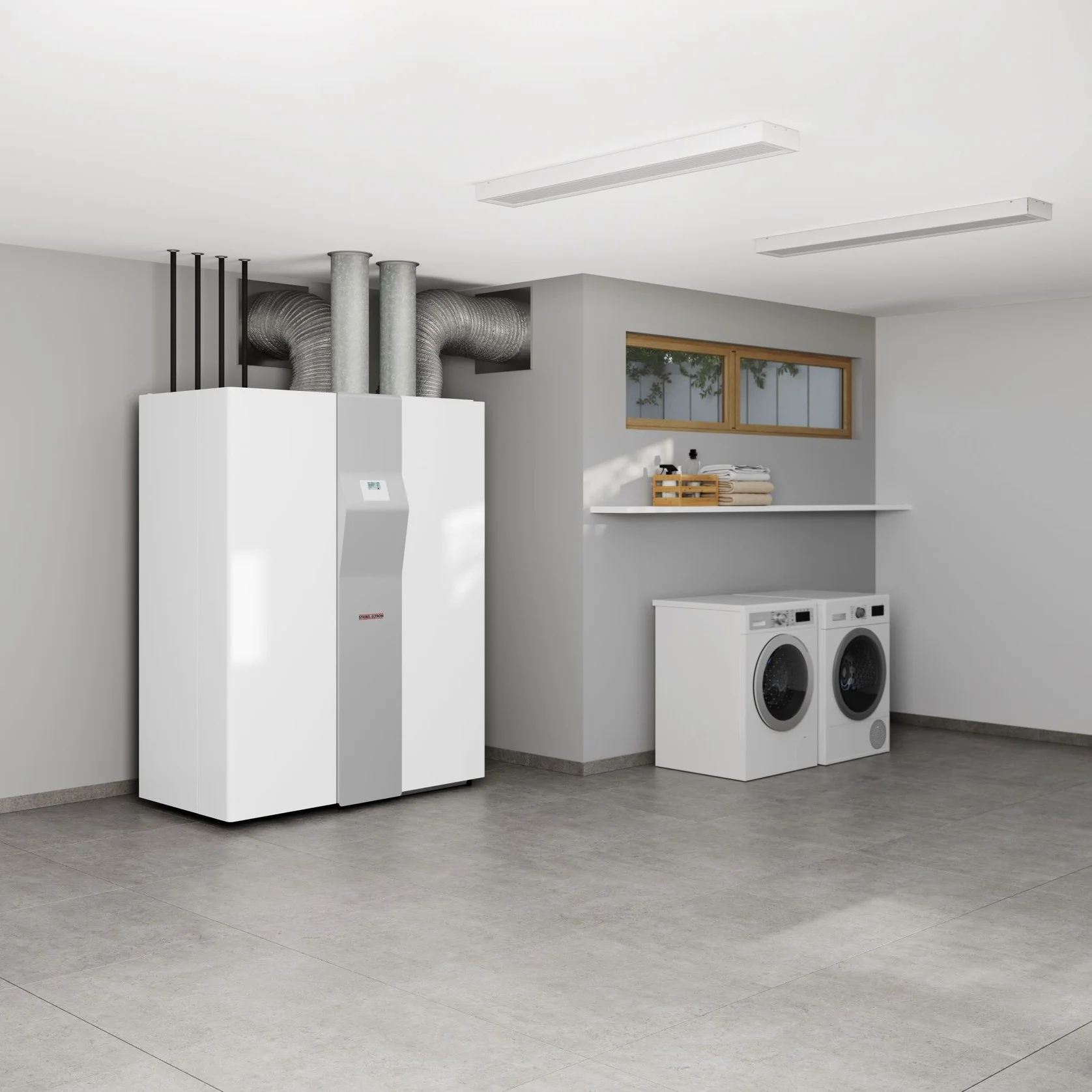
Choosing the Right MVHR System

Selecting the correct MVHR system depends on several factors:

Property size and layout
Number of occupants
Airtightness levels
Ducting routes and installation space
Required filtration levels

At Renewable Heating Wales, we design MVHR systems specifically for each property in Swansea, ensuring optimal performance, efficiency, and long-term reliability.

MVHR Applications

  • Educational Institutions: Schools, Colleges and Universities
  • New Build Homes
  • Residential Buildings: Houses and Apartment blocks
  • Commercial Buildings: Offices, Retail Spaces, Hotels
  • Data Centers: Server Rooms
  • Local Authority Public Buildings: Libraries, Museums, and Cultural Centres
  • District Heating
  • Healthcare Facilities: Hospitals and Clinics
  • Residential Care Facilities: Nursing Homes and Assisted Living Facilities
  • Leisure Facilities: Gyms, Spas, and Recreational Centres
  • Farms
  • Commercial units

Why Choose Renewable Heating Wales?

Introducing the right MVHR system for your building:

  • Local MVHR installation expertise in Swansea and South Wales
  • Whole-system expertise covering heat pumps, solar, and ventilation
  • Experienced with new build and self-build projects
  • Fully compliant with current Building Regulations
  • Honest advice and tailored system design
  • Every MVHR system we install is designed to suit the building and how it is used.

Get a FREE quote from RHW to help you choose wisely and enjoy optimal performance, energy savings, and healthier indoor air.
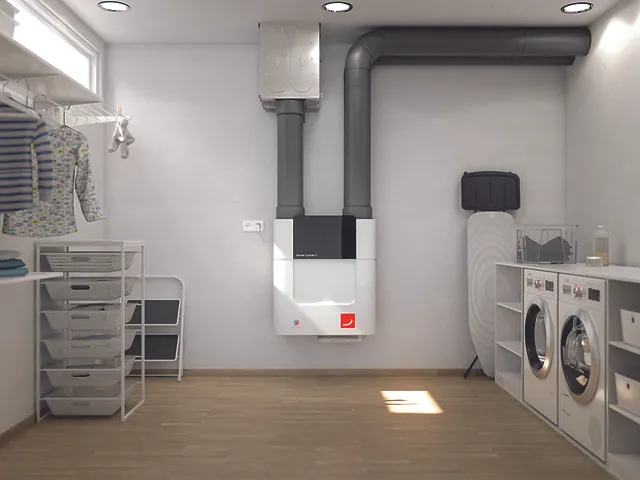
Why Choose RHW?

Frequently Asked Questions

  • Whether retrofitting a system to an existing property or fitting a system into a newly built property, which is usually easier
  • The layout of the home and how complex the installation is
  • The size of the home
  • How easy pipework is to access
  • The amount of rebuilding or renovation work required after the installation
  • The energy needs of the home

Generally, the costs of installing an MVHR system consist of design costs, component costs, and installation costs. 

The MVHR unit costs around £3,000 on average for a domestic unit and £10,000 for a commercial unit. The installation costs for large commercial properties and offices are typically higher than those for residential properties.

Maintenance costs are another consideration when evaluating the total cost of an MVHR system. Regular replacement of filters and checking the air tightness ensures optimal performance and longevity of the system.

Despite these costs, remember that an MVHR system provides constant ventilation, transferring heat from the extracted air back into the incoming fresh air. This process minimises heating demand, making your home’s heating system more cost-effective in the long run.

Are you considering installing an MVHR system in your home or commercial building? You must ensure that your MVHR is as efficient as possible and serves your property’s needs well. Work with professional designers and installers to create an MVHR design suited to your building’s energy needs. Having your system professionally installed also guarantees that it works properly and performs as it should to minimise heat loss and maximise energy efficiency.

Many things at the design stage can help maximise the efficacy of an MVHR system. For example, any concern about excessive system noise can mitigated when drawing up designs. Ask your MVHR designer to model the sound levels the MVHR will emit and check how audible the sound is in each room. Then, you can add bigger silencers to the ducting system to minimise the sound levels if needed.

Also, consider the property’s unique features before designing the MVHR system. Consider where the unit and ducting system will fit and how your building may have to be adapted to accommodate the new unit. Professional designers should consider all these aspects when drawing up custom MVHR designs and use 3D modelling software to ensure the MVHR unit is a perfect fit for the building, no matter how old it is.

Indeed, retrofitting an MVHR system into an existing building is feasible, though it presents a unique set of challenges. The process requires a comprehensive understanding of the building’s existing ventilation, heating system design, and thermal envelope. Meticulous planning can ensure the MVHR unit and ducting system integrate efficiently.

Key considerations for retrofitting an MVHR system include the building’s air tightness and potential internal obstructions. An MVHR operates optimally in energy-efficient buildings that comply with air-tightness targets. So, renovations may be necessary to improve air tightness and ensure the MVHR system functions efficiently.

Furthermore, internal obstructions can impact the placement and function of the MVHR unit. Thoughtful design and proper placement of the unit, ducting system, and vents are crucial to ensure constant air movement and efficient heat recovery.

While retrofitting an MVHR system is not without its challenges, the benefits of improved air quality through filtered fresh air, energy efficiency, and constant ventilation can significantly enhance the comfort and health of the occupants.

MVHR systems help level out temperatures between rooms, creating a more uniform and controlled environment in your home. By extracting stale, warm air and recovering the heat, these systems warm incoming fresh, filtered air for distribution. With constant air movements and balanced ventilation, every room can enjoy a comfortable temperature, regardless of external factors. 

An MVHR system ensures improved air quality, energy efficiency, and temperature control, making it an effective whole-building ventilation solution.

Overall, with an efficient MVHR heat recovery ventilation system in place, you can expect significantly improved air quality, energy efficiency, and temperature control, all while maintaining the high air tightness targets of modern, energy-efficient buildings. An MVHR system is a whole house ventilation system and works to ventilate the entire building – and occupants will enjoy its many benefits.