On 26 August 2026, Ofgem confirmed that the energy price cap will rise by 4% from 1 October 2026. For a typical household paying by direct debit for both gas and electricity, the cap moves from £1,663 to £1,723 a year — an increase of roughly £60 a year, or £5 a month.
It is the last cap change of 2026, and it runs until 31 December. Around 22 million households on default tariffs are affected. If you are on a fixed deal, as roughly a third of households are, your rates do not change until that deal ends.
Below is what has actually changed, and what it means if you are weighing up a heat pump, solar panels or insulation for your home in Wales.
The new rates from 1 October 2026
| Unit rate | Standing charge | |
|---|---|---|
| Electricity | 26.32p per kWh | 54.83p per day |
| Gas | 7.97p per kWh | 29.68p per day |
An important point that gets lost every time the cap is announced: this is a cap on unit rates and standing charges, not on your total bill. If you use more, you pay more. The £1,723 figure describes a household with typical consumption, not a ceiling on what you can be charged.
The VAT change most coverage missed
Alongside the cap, there is no VAT on electricity from 1 October 2026 until 31 March 2027. Gas keeps the standard 5%. Ofgem estimates the removal held about £45 a year off the average bill that would otherwise have been added.
For most households that is a modest saving. For anyone heating their home with electricity — which includes every home running a heat pump — it is proportionally more significant, because electricity is the fuel doing the heavy lifting rather than a secondary cost.
Why the cap has gone up
Ofgem points to higher wholesale gas prices driven by the ongoing conflict in the Middle East, with wholesale costs up 11% over the past three months. Volatile global gas markets remain the dominant factor in what UK households pay.
That is the underlying problem with a gas-heated home. Your heating bill is set by a global commodity market you have no influence over, and it has now moved against households in four of the last five years.
What this means if you are considering a heat pump
Electricity costs about 3.3 times as much as gas per kWh under the new cap. That ratio is what determines whether a heat pump is cheaper to run than a gas boiler, because a heat pump does not convert electricity into heat one-for-one — it moves heat, and a well-designed system delivers roughly three and a half units of heat for each unit of electricity it draws.
Working it through at the October rates:
- A gas boiler running at 90% seasonal efficiency costs 8.86p per kWh of usable heat (7.97p ÷ 0.90).
- An air source heat pump at a seasonal efficiency of 3.5 costs 7.52p per kWh of usable heat (26.32p ÷ 3.5) — around 15% less.
- At a seasonal efficiency of 3.0, the heat pump costs 8.77p — roughly line-ball with gas.
- At 4.0, it costs 6.58p — about 26% less than gas.
The conclusion we would draw honestly: against mains gas, a heat pump wins on running cost if it is designed and installed to run efficiently, and only just breaks even if it is not. Seasonal efficiency is not a marketing number — it is the product of correct sizing, low flow temperatures and properly matched emitters. This is exactly why we carry out a room-by-room heat loss calculation before quoting rather than working from floor area.
There is a second saving that rarely gets mentioned. If you remove gas from the property entirely, you stop paying the gas standing charge — 29.68p a day, or about £108 a year, regardless of how little gas you use.
If you heat with oil or LPG, the picture is different again
The price cap does not cover oil or LPG, so nothing announced in August changes what you pay for a delivery. But if your property is off the mains gas grid and heated by oil or LPG, you now qualify for the largest heat pump grant available: £9,000 through the Boiler Upgrade Scheme, made up of the standard £7,500 plus a £1,500 uplift introduced on 21 July 2026.
That uplift is confirmed only until 31 March 2027. For much of rural Carmarthenshire, Pembrokeshire and the Gower peninsula, where mains gas simply is not available, it is the strongest case for switching we have seen since the scheme launched.
Three things worth doing before winter
- Fix the fabric first. Insulation is the cheapest unit of energy you will ever buy, and you may qualify for help through ECO4 or the Great British Insulation Scheme. It also matters for grant eligibility — your EPC cannot carry outstanding loft or cavity wall recommendations when you apply for the Boiler Upgrade Scheme.
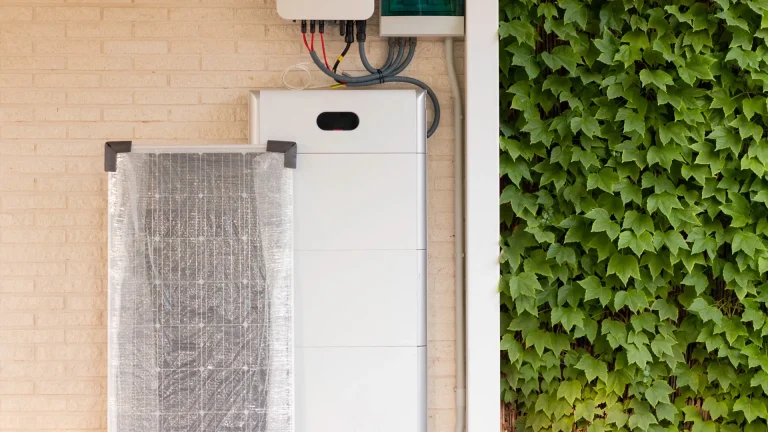
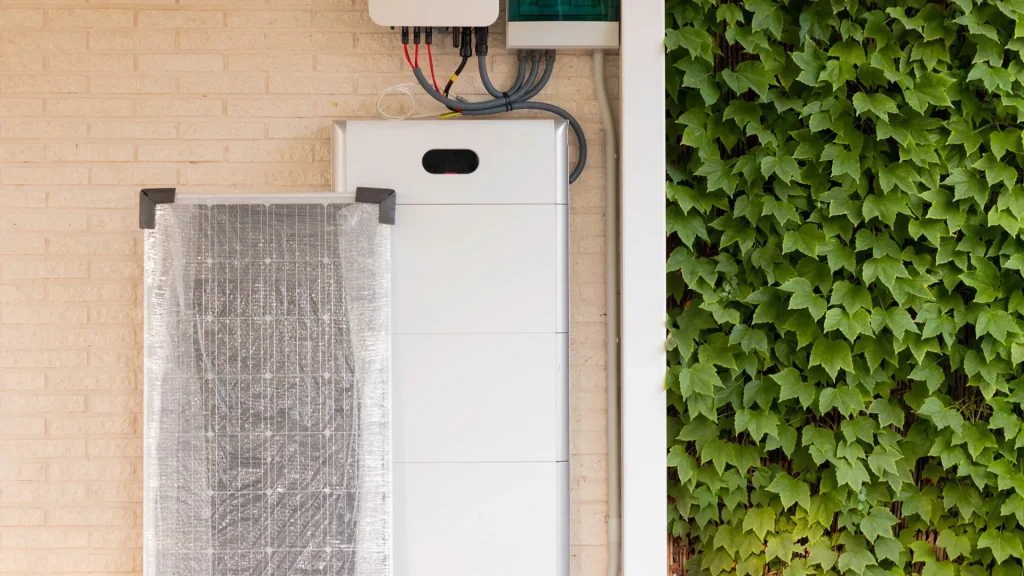
- Generate what you can. Solar PV paired with battery storage lets you offset the electricity you buy at 26.32p, and shifts daytime generation into evening heating demand.
- Check the tariff, not just the technology. As an Octopus Energy Trusted Partner we can point you towards heat pump tariffs that price electricity well below the capped rate — which changes the running-cost maths above considerably.
Talk to us
We are MCS-accredited installers based in Tycroes, working across South and West Wales. If you want an honest assessment of whether a heat pump, solar or insulation would actually reduce your bills — including the cases where it would not — get in touch for a free, no-obligation survey.