
The first cold mornings of the year bring the question we are asked most: what will a heat pump actually cost to run once winter arrives? Here are the numbers at the current Ofgem price cap, worked through honestly – including the cases where a heat pump only just breaks even.
The rates from 1 October 2026
| Unit rate | Standing charge | |
|---|---|---|
| Electricity | 26.32p per kWh | 54.83p per day |
| Gas | 7.97p per kWh | 29.68p per day |
There is also no VAT on electricity from 1 October 2026 until 31 March 2027, while gas keeps its 5%. That matters more to a heat pump household than most, because electricity is doing all of the heating. We covered the cap in more detail in our October price cap post.
A worked example
Take Ofgem’s typical household gas use of 11,500 kWh a year. A gas boiler running at 90% turns that into roughly 10,350 kWh of usable heat. Here is what it costs to produce the same heat each way, at the October rates:
| System | Energy bought | Cost per year |
|---|---|---|
| Gas boiler (90%) | 11,500 kWh of gas | £917, plus £108 gas standing charge = £1,025 |
| Heat pump, seasonal efficiency 3.0 | 3,450 kWh of electricity | £908 |
| Heat pump, seasonal efficiency 3.5 | 2,957 kWh of electricity | £778 |
| Heat pump, seasonal efficiency 4.0 | 2,588 kWh of electricity | £681 |
Two things stand out. A well-designed heat pump beats gas, helped by dropping the gas standing charge once the gas supply is capped off. But the gap between a seasonal efficiency of 3.0 and 4.0 is over £200 a year, and that comes down entirely to how the system is designed and set up.

Why winter is different
A heat pump works harder when it is colder outside, so its efficiency on a frosty January morning is lower than on a mild October afternoon. The seasonal figure in the table averages that out over the year. Winter also carries most of the annual heating demand, so most of your yearly running cost lands between November and March.
None of that is a reason to worry – it is simply why sizing matters. A system designed from a proper heat loss calculation copes with cold snaps without resorting to backup heating. One sized by guesswork does not.
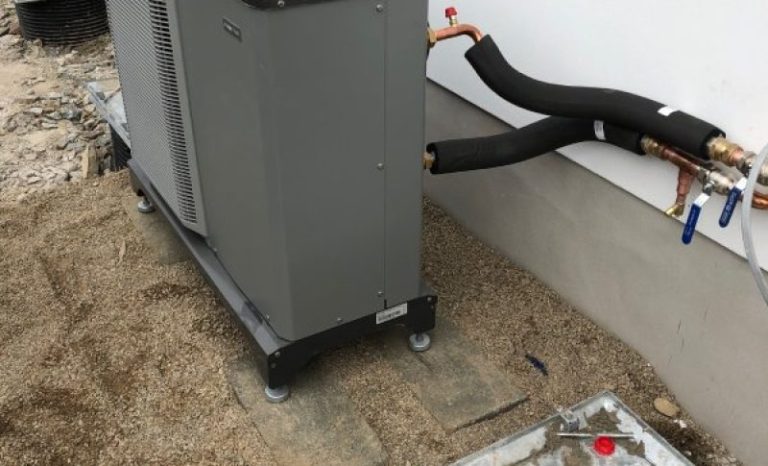
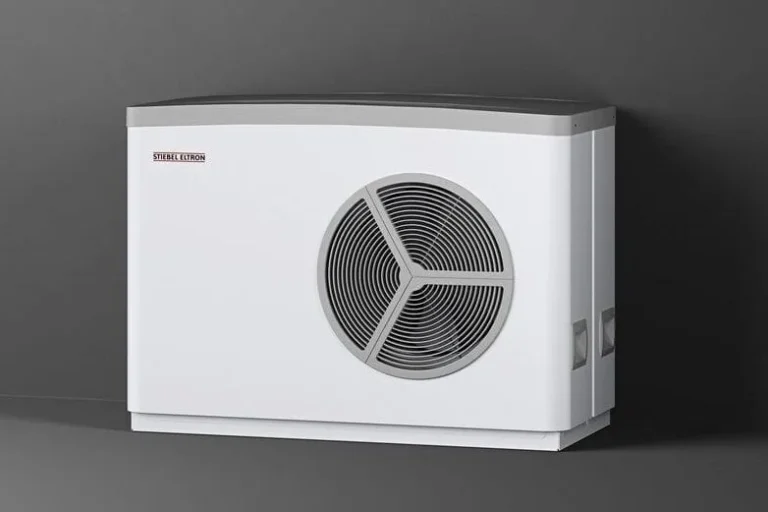
You will also notice the outdoor unit occasionally steaming or going quiet in cold, damp weather. That is a defrost cycle, and it is completely normal. A unit that stays iced up is not, and is worth a call.
Six ways to keep winter running costs down
- Leave it running. Heat pumps are most efficient holding a steady temperature. Switching them on and off like a gas boiler usually costs more.
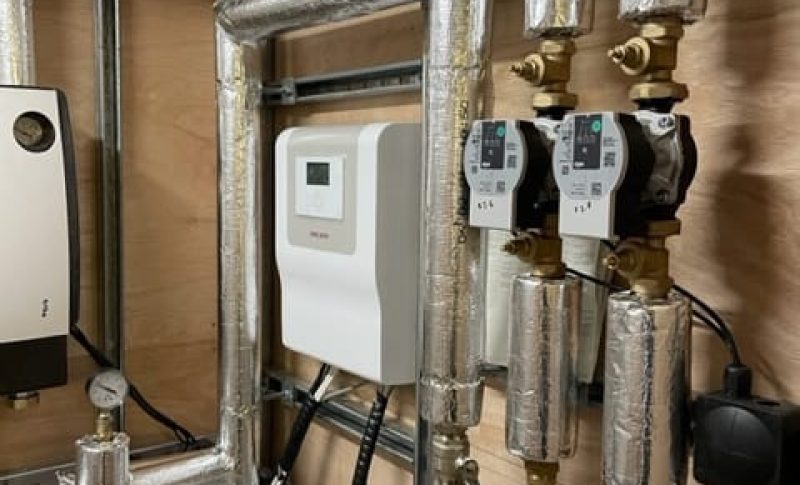
- Keep the flow temperature low. Weather compensation, where the system adjusts to the outside temperature, should be set up properly. Every degree of flow temperature you save helps efficiency.
- Get on a heat pump tariff. Tariffs designed for heat pumps price electricity well below the capped rate. As an Octopus Energy Trusted Partner, we can point you to the right one.
- Have it serviced before the cold sets in. Blocked filters and a dirty outdoor coil quietly push costs up. See our heat pump servicing page.
- Deal with draughts and insulation. The cheapest heat is the heat you do not lose. You may qualify for funded insulation – see our grants and funding guide.
- Use a battery for timing, not just solar. Solar generates least in winter, but a battery can still charge on cheaper overnight rates and run the heat pump at peak times.
If you are on oil or LPG
The price cap does not cover oil or LPG, so the comparison works differently. At the October rates, a heat pump running at 3.5 beats an older oil boiler once heating oil costs more than about 65p a litre, and LPG above about 48p a litre. If you are off the gas grid you may also qualify for a £9,000 grant until 31 March 2027. More on our oil and LPG boiler replacement page.
Get your own figures
Every home is different, so we would rather give you real numbers than a headline. At a free survey we calculate your home’s heat loss room by room and model the running costs for your property. Get in touch to book one.